01
Fabric Identification
Assessment of upholstery type and condition to determine appropriate cleaning methods.
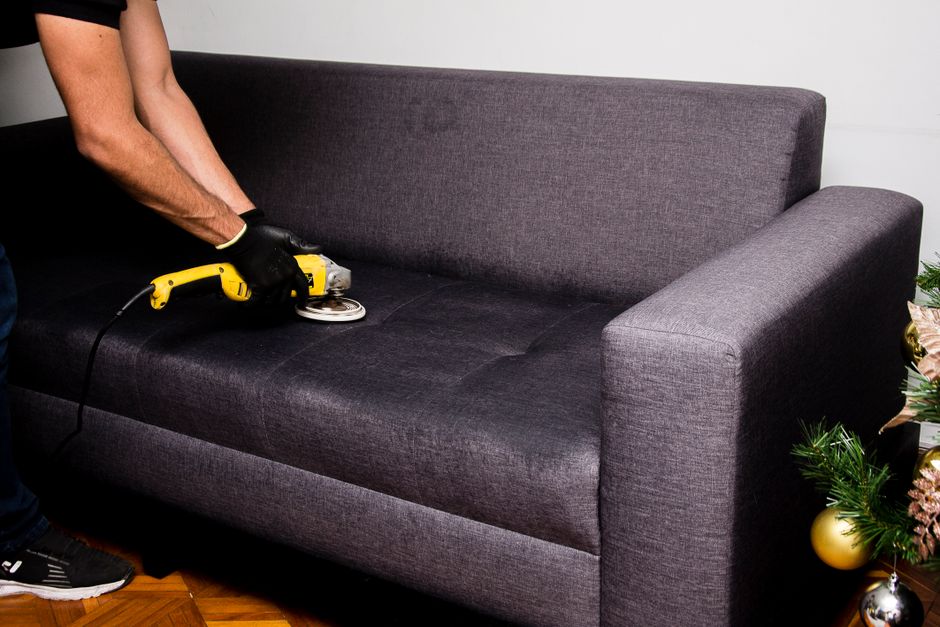
An informational overview of how FreshNest Care addresses contamination from food, drinks, and biological traces on children's upholstered furniture in UK homes, with a technician selecting a suitable composition based on fabric type.
Request a Cleaning Appointment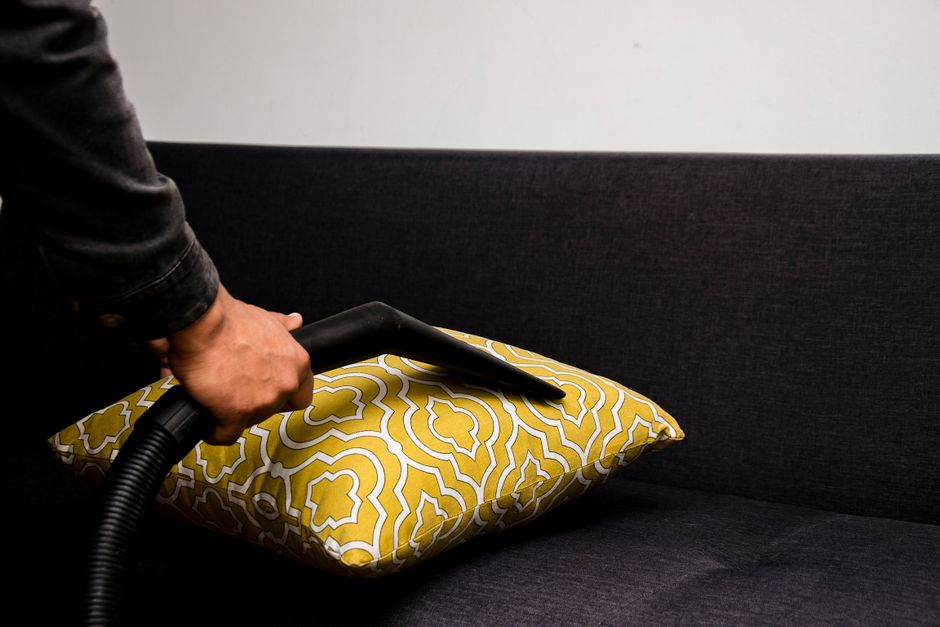
FreshNest Care provides an informational service for cleaning children's upholstered furniture across the UK. The process begins with assessing the fabric type, followed by selecting a suitable cleaning composition based on that assessment. On-site treatment is then carried out. This methodology is designed to address common issues such as food and drink spills and biological traces, using compositions intended for upholstery. The service is structured for families with children. It is informational in nature and depends on various external factors; it does not serve as a substitute for professional judgment.
Children's soft furniture typically accumulates contamination from food and drink spills, which penetrate fabric fibres, and biological traces such as saliva, perspiration, and other organic matter. These substances require specific fabric-appropriate cleaning approaches because standard methods may damage upholstery or leave residues. The correct technique depends on the fabric type and the nature of the contamination, so each case is assessed individually before treatment. A careful, material-aware process supports effective cleaning while respecting the furniture's composition.
Assessment of upholstery type and condition to determine appropriate cleaning methods.
Choice of cleaning compositions based on fabric specifications and safety considerations.
Application of selected methods at the customer's home, following established procedures.
Guidance on drying times and general care to support fabric condition over time.
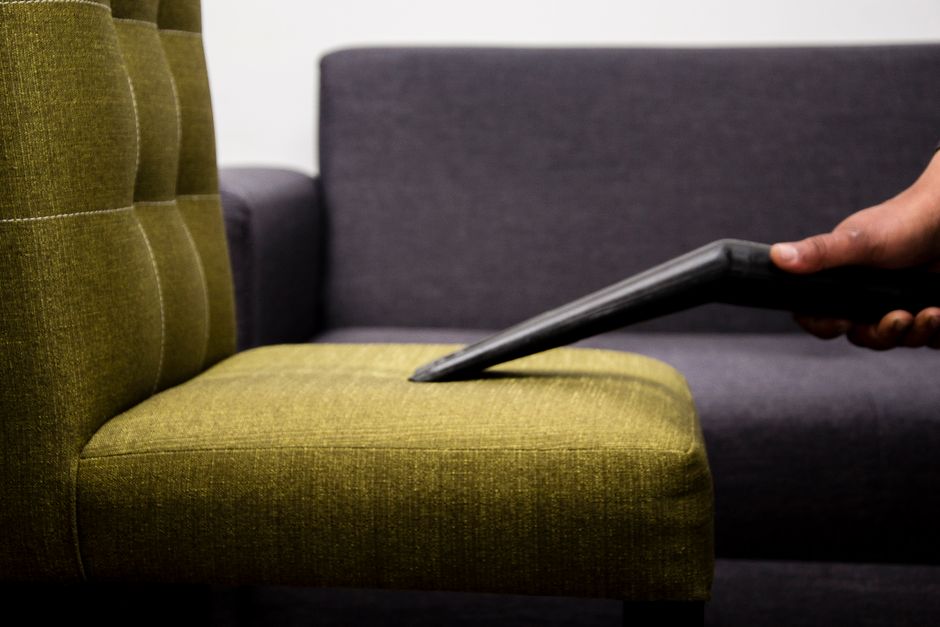
FreshNest Care treats children's soft furniture by first identifying the upholstery fabric, since different materials respond differently to cleaning compositions. The technician selects a suitable product from a range of formulations intended for gentle use on domestic furniture, then applies it to the affected areas. This fabric-specific approach helps avoid inappropriate treatment of delicate surfaces. Treatment is carried out in the home, and the selection of products depends on the fabric type, the nature of the marks, and the condition of the furniture. No single method is presented as universally suitable. The process is explained before work begins, allowing households to understand each step.
The condition of children's soft furniture after cleaning depends on several interacting factors. Fabric type is significant: tightly woven synthetics may release stains more readily than delicate natural fibres, while some materials require specific agents or lower moisture levels to prevent damage. The nature of the stain also matters; fresh food or drink spills often respond differently from dried-in marks or biological traces, which may need longer dwell times or specialised treatment. Timing plays a role as well—stains addressed promptly may be easier to manage than those that have set. The technician selects a suitable composition based on fabric and stain type, and processes the furniture at home. Outcomes remain conditional and vary with fibre condition, prior treatments, and ambient drying factors.

Evaluation of upholstery type and condition informs appropriate cleaning agent selection and method suitability.
Specialised compositions are chosen based on fabric characteristics and the nature of soiling identified.
Scheduled on-site service follows a structured process for upholstery cleaning within the customer's residence.
Formulations are typically selected with reference to child-appropriate use guidelines and factual safety considerations.




FreshNest Care follows a transparent, method-led approach to cleaning children’s soft furnishings. We begin by assessing the upholstery, identifying the fabric composition and any specific constraints that influence product selection. Fabric compatibility is central: different materials respond differently to cleaning agents, so we choose formulas and techniques accordingly. We also explain that cleaning outcomes depend on various contextual factors — the nature of the soiling, the fabric’s condition, prior treatments, and environmental conditions during and after cleaning. Rather than promising specific results, we outline what each step involves and why certain choices are made. This approach supports informed decisions and realistic expectations for families seeking a considered cleaning method for soft furniture at home.

Different fabric types may respond differently to various cleaning agents and methods due to their composition. Factors such as fabric structure, stain age, and previous treatments can influence how upholstery reacts. For instance, natural fibers might absorb liquids differently than synthetic ones, and older stains could require different handling. At FreshNest Care, we assess these variables before selecting an approach, without assuming uniform results. The effectiveness of any cleaning process depends on the specific circumstances of each item.

Regularly check upholstery for spills, crumbs, or biological traces to plan appropriate maintenance.
Different upholstery types may require specific cleaning methods; always check the manufacturer's guidelines.
Some cleaning agents may not be suitable for all fabrics; consider professional advice for specialist options.
Professional cleaning is an option for thorough maintenance, with technicians assessing fabric and conditions beforehand.
FreshNest Care provides at-home cleaning for children's soft furniture, offering a structured process for addressing food, drink, and biological residues. The approach is grounded in material assessment and product compatibility testing prior to application. Each fabric type is evaluated, and cleaning compositions are selected based on manufacturer guidelines. The process is designed to be transparent and informational, with specialists explaining the reasoning behind each step. Treatment variables depend on fabric sensitivity, stain origin, and conditioning of the piece. FreshNest Care observes industry practices but does not promise specific results; outcomes depend on material condition, maintenance history, and environmental factors. The service is intended for families in the United Kingdom requiring objective information about upholstery cleaning at home.

Fabric care labels provide information on fibre composition, cleaning tolerances and temperature limits for upholstery. For children's soft furniture, they offer a useful reference point when categorising surface types. However, labels rarely account for specific soiling such as food, drink or biological traces. A professional assessment therefore examines contamination alongside the fabric structure, documenting which cleaning approaches may be compatible and which unsuitable. This evaluation supports consistent decision-making and clarifies handling limitations in domestic settings.
After the visit, FreshNest Care sends a summary of the methods and materials used during the appointment.
You receive written guidance on interim cleaning and ventilation practices, based on the specific fabric type treated.
A documented record of the service is provided for your reference, including the date and techniques applied.
You can report any observations through a designated contact channel, which is reviewed as part of ongoing process monitoring.
Reach FreshNest Care with questions about cleaning children's soft furniture. The form lets you request details about fabrics, products, and home visits; specified information depends on individual circumstances.